Planning a new roof? Discover the latest roof replacement cost calculator for Australia and New Zealand, compare roofing prices, roof cost per square, aluminium roofing costs, and learn how to estimate your total roofing budget accurately.
Roof Replacement Cost Calculator Australia & New Zealand

Replacing a roof is one of the most significant investments homeowners make during the lifetime of a property. Whether you’re renovating an older home in Sydney, building a new residence in Melbourne, upgrading a coastal property in Auckland, or replacing an ageing steel roof in Hamilton, understanding the true cost of a roofing project is essential before requesting quotations.
Roof replacement costs throughout Australia and New Zealand have continued to evolve due to increasing labour rates, higher material costs, updated building regulations, and growing demand for experienced roofing contractors. As a result, homeowners often receive quotations that differ by several thousand dollars for what appears to be the same project.
Table of Contents
- Why Roof Replacement Costs Vary
- What Is a Roof Replacement Cost Calculator?
- How Roof Replacement Costs Are Calculated
- Step 1 – Measure the Roof Area
- Step 2 – Select Roofing Material
- Average House Roof Replacement Cost
- Australia
- New Zealand
- Average Roofing Prices Per Square Metre
- Australia
- New Zealand
- Roofing Prices by Major City
- Factors That Increase Roofing Costs
- Roof Pitch
- Roof Complexity
- Accessibility
- Existing Roof Removal
- Why Comparing Roofing Quotes Matters
- How Much Does It Cost to Retile a Roof?
- Average Roof Retiling Cost
- Factors That Affect Retiling Costs
- Roofing Price by Material
- Australia
- New Zealand
- Cost of Roofing Per Square
- Aluminium Roof Price
- Average Aluminium Roofing Costs
- Benefits of Aluminium Roofing
- Colorbond Roofing Cost
- Average Colorbond Roof Replacement Cost
- Roofing Material Comparison
- Additional Costs to Consider
- Which Roofing Material Offers the Best Long-Term Value?
- Cost to Reseal a Roof
- Average Roof Resealing Cost
- When Is Roof Resealing Worth It?
- Cost of Raising a Roof on a House
- Average Cost of Raising a Roof
- Roof Replacement Cost Calculator Examples
- Example 1: Standard Family Home
- Example 2: Concrete Tile Roof Replacement
- Example 3: Aluminium Roofing Upgrade
- Hidden Roofing Costs
- Structural Timber Repairs
- Roof Insulation
- Flashing Replacement
- Gutter Replacement
- Scaffolding
- Roof Replacement Budget Checklist
- How to Compare Roofing Quotes
- Ways to Reduce Roofing Costs
- Why Quality Roofing Is a Long-Term Investment
- How to Choose the Best Roofing Contractor
- Questions to Ask Before Hiring a Roofer
- What Should a Roofing Quote Include?
- Understanding Roofing Warranties
- Manufacturer Warranty
- Workmanship Warranty
- Common Roofing Mistakes Homeowners Make
- Annual Roof Maintenance Schedule
- Frequently Asked Questions
- How accurate is a roof replacement cost calculator?
- How much does a new roof cost in Australia?
- How much does a new roof cost in New Zealand?
- Is aluminium roofing worth the additional cost?
- Should I repair or replace my roof?
- How long do common roofing materials last?
- Does home insurance cover roof replacement?
- Expert Tips Before Starting Your Roofing Project
- Final Thoughts
Many people search online for a Roof Replacement Cost Calculator hoping for a simple answer. While calculators provide a useful estimate, every roofing project is unique. Roof size, material selection, roof pitch, accessibility, insulation upgrades, structural repairs, and local labour rates all influence the final investment.
Understanding these variables allows homeowners to compare quotations more confidently and avoid unexpected costs during construction.
This guide explains how roof replacement costs are calculated, compares average roofing prices across Australia and New Zealand, and introduces the key factors that determine your overall roofing budget.
Why Roof Replacement Costs Vary
No two roofs are exactly alike.
Even homes with similar floor plans may receive different roofing quotations because the roof structure itself can vary considerably.
Professional roofing companies consider numerous factors before preparing an estimate.
These include:
- Total roof area
- Roofing material
- Roof pitch
- Property access
- Existing roof removal
- Labour availability
- Flashing replacement
- Roof insulation
- Structural timber repairs
- Local building requirements
A single-storey suburban home with a simple gable roof generally costs much less than a multi-level architectural home with numerous valleys, skylights, chimneys, and complex rooflines.
What Is a Roof Replacement Cost Calculator?
A roof replacement cost calculator is an estimating tool designed to help homeowners calculate the approximate cost of installing a new roof.
Professional roofing contractors use similar principles when preparing quotations.
Most calculations begin with:
- Measuring roof area.
- Selecting roofing materials.
- Calculating installation labour.
- Adding roof removal costs.
- Including optional upgrades.
- Accounting for structural repairs where necessary.
Although an online calculator cannot replace a professional site inspection, it provides an excellent starting point for planning your renovation budget.
How Roof Replacement Costs Are Calculated
Step 1 – Measure the Roof Area
Roofing contractors calculate the actual roof surface rather than the home’s internal floor area.
Because roofs include slopes, hips, valleys, and overhangs, the roof surface is usually larger than the building footprint.
| House Floor Area | Estimated Roof Area |
|---|---|
| 100 m² | 120–135 m² |
| 150 m² | 175–200 m² |
| 200 m² | 230–260 m² |
| 250 m² | 290–330 m² |
| 300 m² | 340–400 m² |
Many contractors now use drone technology or satellite measuring software to improve accuracy before providing a quotation.
Step 2 – Select Roofing Material
Material selection has the greatest influence on the total cost.
Premium roofing materials generally cost more initially but often provide longer service life and lower maintenance requirements.
Common roofing materials include:
- Corrugated Steel
- Colorbond Steel
- Aluminium Roofing
- Concrete Roof Tiles
- Clay Roof Tiles
- Asphalt Shingles
- Zinc Roofing
- Copper Roofing
- Slate Roofing
Each material offers different advantages depending on climate, property style, and budget.
Average House Roof Replacement Cost
Homeowners frequently ask how much they should expect to spend on a complete roof replacement.
The following estimates represent typical residential projects under normal installation conditions.
Australia
| Home Size | Estimated Cost (AUD) |
|---|---|
| Small Home | $8,000–$14,000 |
| Medium Home | $14,000–$24,000 |
| Large Home | $24,000–$38,000 |
| Executive Home | $38,000–$55,000 |
| Luxury Home | $55,000–$80,000+ |
New Zealand
| Home Size | Estimated Cost (NZD) |
|---|---|
| Small Home | $10,000–$18,000 |
| Medium Home | $18,000–$30,000 |
| Large Home | $30,000–$45,000 |
| Executive Home | $45,000–$65,000 |
| Luxury Home | $65,000–$90,000+ |
These estimates typically include standard installation and roofing materials but may exclude significant structural repairs or premium architectural finishes.
Average Roofing Prices Per Square Metre
Roofing companies generally calculate pricing based on square metres.
Average installed prices include both labour and roofing materials.
Australia
| Roofing Material | Average Cost per m² (AUD) |
|---|---|
| Corrugated Steel | $80–$150 |
| Colorbond Steel | $90–$180 |
| Aluminium Roofing | $140–$260 |
| Concrete Tiles | $90–$170 |
| Clay Tiles | $120–$220 |
| Zinc Roofing | $180–$320 |
| Copper Roofing | $250–$500 |
| Slate Roofing | $300–$650 |
New Zealand
| Roofing Material | Average Cost per m² (NZD) |
|---|---|
| Long Run Steel | $95–$180 |
| Corrugated Steel | $90–$170 |
| Aluminium Roofing | $150–$280 |
| Concrete Tiles | $100–$190 |
| Clay Tiles | $140–$250 |
| Butynol Roofing | $120–$220 |
| Zinc Roofing | $200–$350 |
Premium imported materials and architecturally complex installations may exceed these ranges.
Roofing Prices by Major City
Location also influences roofing costs because labour rates differ across Australia and New Zealand.
| Location | Typical Roofing Cost |
|---|---|
| Sydney | Higher than national average |
| Melbourne | Moderate to high |
| Brisbane | Moderate |
| Perth | Moderate |
| Adelaide | Slightly below eastern capitals |
| Auckland | Higher than NZ average |
| Wellington | Moderate to high |
| Christchurch | Moderate |
| Hamilton | Moderate |
Urban areas generally experience higher labour costs due to increased demand for experienced roofing contractors.
Factors That Increase Roofing Costs
Several project-specific factors may increase the final quotation.
Roof Pitch
Steeper roofs require:
- Additional safety equipment
- More labour
- Slower installation
- Higher insurance costs
Roof Complexity
Roofs featuring:
- Skylights
- Chimneys
- Roof valleys
- Dormers
- Multiple levels
require more detailed installation work.
Accessibility
Difficult site access may increase labour costs because materials must be transported manually or using specialised lifting equipment.
Existing Roof Removal
If an old roof must be removed before installation begins, demolition and disposal costs are added to the quotation.
Typical removal costs include:
| Service | Estimated Cost (AUD) |
|---|---|
| Metal Roof Removal | $800–$2,000 |
| Tile Roof Removal | $1,500–$4,000 |
| Waste Disposal | $500–$2,000 |
| Skip Bin Hire | $400–$1,200 |
Older roofs containing asbestos require licensed removal specialists, resulting in significantly higher costs.
Why Comparing Roofing Quotes Matters
Many homeowners are surprised to receive quotations that vary by several thousand dollars.
This does not necessarily mean one contractor is overpriced.
Price differences often reflect:
- Roofing material quality
- Labour experience
- Warranty coverage
- Flashing replacement
- Roof insulation
- Cleanup services
- Structural repairs
- Manufacturer certifications
Rather than focusing solely on the lowest price, compare the complete scope of work included in each quotation.
How Much Does It Cost to Retile a Roof? Roofing Price Per Square, Aluminium Roof Price, and Material Comparison
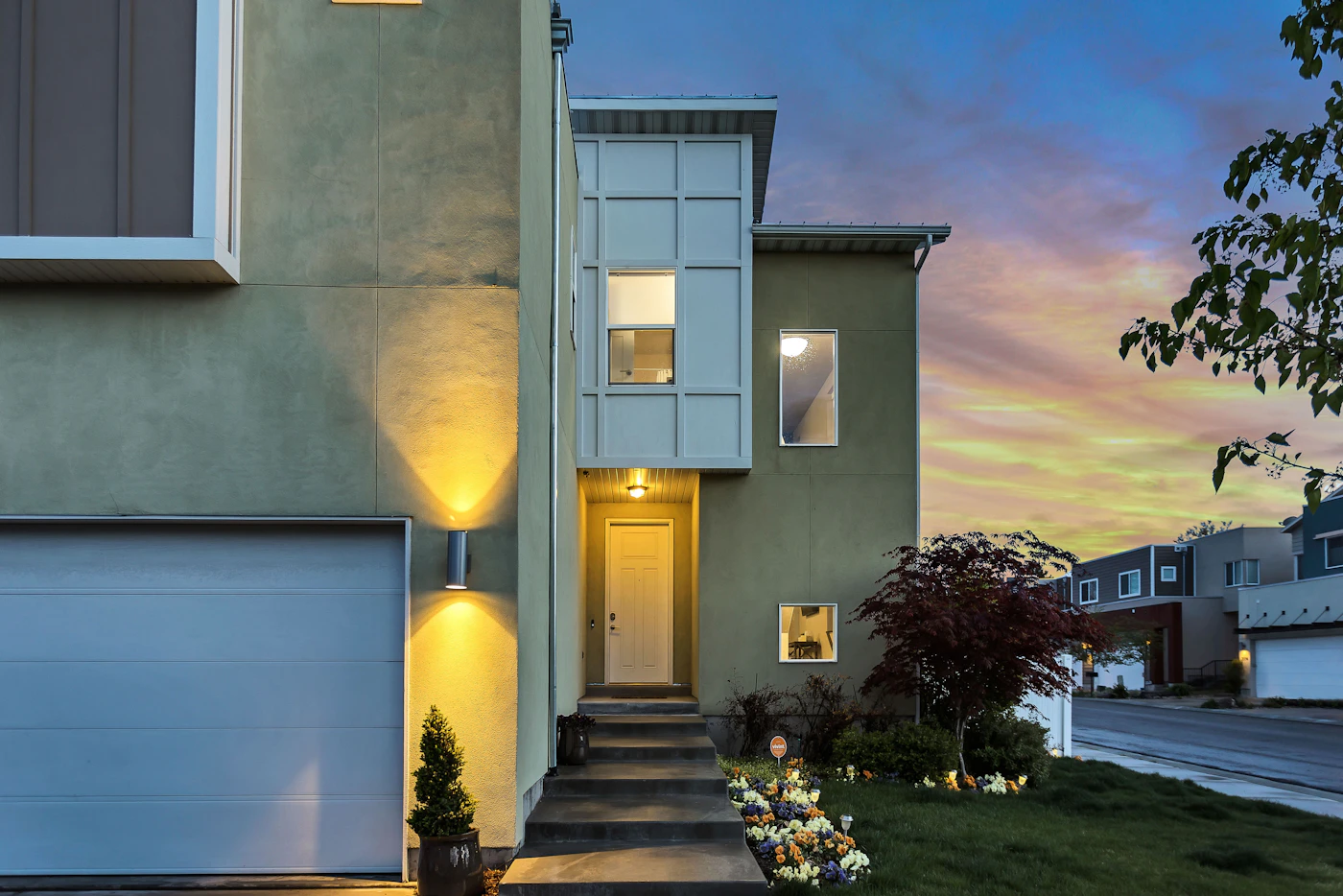
Choosing the right roofing material is one of the biggest decisions during a roof replacement project. While homeowners naturally compare installation costs, long-term maintenance, durability, energy efficiency, and expected lifespan should also influence the final decision.
Across Australia and New Zealand, steel roofing remains one of the most popular options because it combines excellent durability with relatively low maintenance. However, concrete roof tiles, clay tiles, aluminium roofing, and premium architectural materials continue to be widely used depending on climate, property style, and budget.
Understanding the advantages and costs of each material helps homeowners select the roofing system that offers the best long-term value.
How Much Does It Cost to Retile a Roof?
Retiling involves removing existing roof tiles and installing new tiles across the entire roof surface. Homeowners often choose this option when the roof structure remains sound but the original tiles have reached the end of their service life.
Retiling may also improve insulation, weather resistance, and the overall appearance of the property.
Average Roof Retiling Cost
Australia
| Roof Size | Estimated Cost (AUD) |
|---|---|
| Small Home (120–150 m²) | $12,000–$18,000 |
| Medium Home (160–220 m²) | $18,000–$28,000 |
| Large Home (220–300 m²) | $28,000–$42,000 |
| Luxury Home | $42,000–$65,000+ |
New Zealand
| Roof Size | Estimated Cost (NZD) |
|---|---|
| Small Home | $14,000–$20,000 |
| Medium Home | $20,000–$32,000 |
| Large Home | $32,000–$48,000 |
| Premium Home | $48,000–$70,000+ |
These estimates generally include removal of the old roof tiles, installation of new underlay, battens where required, and professional installation of new roofing materials.
Factors That Affect Retiling Costs
The final quotation depends on several variables.
Common pricing factors include:
- Roof size
- Roof pitch
- Accessibility
- Roofing material
- Structural timber repairs
- Waste disposal
- Flashing replacement
- Local labour rates
Homes with multiple roof valleys, dormers, skylights, or chimneys usually require additional labour.
Roofing Price by Material
Material selection has the greatest impact on total roofing costs.
The following table compares average installed pricing.
Australia
| Roofing Material | Average Price per m² (AUD) | Expected Lifespan |
|---|---|---|
| Corrugated Steel | $80–$150 | 30–50 Years |
| Colorbond Steel | $90–$180 | 40–70 Years |
| Aluminium Roofing | $140–$260 | 50–80 Years |
| Concrete Roof Tiles | $90–$170 | 40–60 Years |
| Clay Roof Tiles | $120–$220 | 50–100 Years |
| Zinc Roofing | $180–$320 | 60–100 Years |
| Copper Roofing | $250–$500 | 80–100+ Years |
| Slate Roofing | $300–$650 | 100+ Years |
New Zealand
| Roofing Material | Average Price per m² (NZD) | Expected Lifespan |
|---|---|---|
| Long Run Steel | $95–$180 | 35–60 Years |
| Aluminium Roofing | $150–$280 | 50–80 Years |
| Concrete Roof Tiles | $100–$190 | 40–60 Years |
| Clay Roof Tiles | $140–$250 | 50–100 Years |
| Butynol Membrane | $120–$220 | 30–50 Years |
| Zinc Roofing | $200–$350 | 60–100 Years |
Premium imported products and architecturally complex roof designs may exceed these ranges.
Cost of Roofing Per Square
Some roofing contractors and international guides still refer to pricing “per square.”
One roofing square equals 100 square feet (approximately 9.29 square metres).
The following estimates convert common roofing prices into cost per roofing square.
| Roofing Material | Price per Square (AUD) |
|---|---|
| Corrugated Steel | $740–$1,390 |
| Colorbond Steel | $835–$1,670 |
| Aluminium Roofing | $1,300–$2,420 |
| Concrete Tiles | $835–$1,580 |
| Clay Tiles | $1,115–$2,040 |
| Zinc Roofing | $1,670–$2,970 |
| Copper Roofing | $2,320–$4,640 |
| Slate Roofing | $2,790–$6,040 |
Understanding this conversion makes it easier to compare international roofing guides with Australian and New Zealand quotations.
Aluminium Roof Price
Aluminium roofing has become increasingly popular for premium homes and coastal properties.
Unlike conventional steel roofing, aluminium naturally resists corrosion, making it particularly suitable for homes located near the ocean.
Average Aluminium Roofing Costs
| Project Type | Australia (AUD) | New Zealand (NZD) |
|---|---|---|
| Small Home | $18,000–$26,000 | $20,000–$30,000 |
| Medium Home | $26,000–$38,000 | $30,000–$42,000 |
| Large Home | $38,000–$55,000 | $42,000–$60,000 |
Although aluminium roofing has a higher initial cost than standard steel, its excellent corrosion resistance often reduces long-term maintenance expenses.
Benefits of Aluminium Roofing
Homeowners choose aluminium roofing because it offers:
- Excellent corrosion resistance
- Lightweight construction
- Low maintenance
- High durability
- Strong weather resistance
- Energy-efficient performance
- Long service life
These advantages make aluminium particularly attractive for coastal regions in both Australia and New Zealand.
Colorbond Roofing Cost
Colorbond remains one of Australia’s most recognised residential roofing systems.
Manufactured from high-quality coated steel, Colorbond roofing combines durability with modern aesthetics and is available in a wide range of colours.
Average Colorbond Roof Replacement Cost
| Roof Size | Estimated Cost (AUD) |
|---|---|
| Small Home | $12,000–$18,000 |
| Medium Home | $18,000–$30,000 |
| Large Home | $30,000–$45,000 |
| Luxury Home | $45,000–$65,000+ |
Many homeowners select Colorbond because it provides an excellent balance between price, performance, and longevity.
Roofing Material Comparison
Choosing the right material depends on your priorities.
| Priority | Recommended Roofing Material |
|---|---|
| Lowest Initial Cost | Corrugated Steel |
| Best Overall Value | Colorbond Steel |
| Coastal Homes | Aluminium Roofing |
| Longest Lifespan | Slate |
| Premium Appearance | Clay Tiles |
| Low Maintenance | Aluminium or Colorbond |
| Luxury Architecture | Copper or Zinc |
Each roofing material offers unique advantages, and the best choice depends on your property’s location, budget, and long-term maintenance expectations.
Additional Costs to Consider
Many roof replacement projects include work beyond simply installing new roofing materials.
Common additional costs include:
| Service | Average Cost (AUD) |
|---|---|
| Roof Inspection | $200–$600 |
| Flashing Replacement | $400–$1,500 |
| Roof Insulation Upgrade | $1,500–$4,000 |
| Gutter Replacement | $2,000–$6,000 |
| Roof Ventilation | $800–$3,000 |
| Skylight Installation | $1,000–$3,500 |
| Solar Panel Removal and Reinstallation | $800–$2,500 |
Completing these upgrades during a roof replacement is often more cost-effective than carrying out separate projects later.
Which Roofing Material Offers the Best Long-Term Value?
While budget is important, long-term ownership costs should also be considered.
Premium roofing materials often provide:
- Lower maintenance expenses
- Better energy efficiency
- Longer warranties
- Higher property value
- Improved weather resistance
- Greater resale appeal
For many homeowners, investing in durable roofing materials can reduce repair and maintenance costs over several decades.
Cost to Reseal a Roof, Cost of Raising a Roof on a House, Roof Replacement Cost Calculator Examples, and Hidden Roofing Expenses

A complete roof replacement is not always necessary. Many homeowners can extend the life of their existing roof through professional resealing, roof restoration, or selective structural upgrades. These services are often more affordable than installing an entirely new roof while still improving weather resistance and extending the roof’s lifespan.
However, every roofing project should begin with a professional inspection. A roof that appears suitable for restoration may hide structural problems that only become visible once the old roofing materials are removed.
This section explains the average cost of roof resealing, the expense of raising a roof, practical roof replacement calculator examples, and the hidden costs homeowners should include when preparing a realistic roofing budget.
Cost to Reseal a Roof
Roof resealing is designed to restore the waterproof barrier of an existing roof without replacing the entire roofing system.
Professional resealing generally includes:
- Roof cleaning
- Moss removal
- Minor repairs
- Surface preparation
- Waterproof primer
- Protective roof coating
- Final sealing layer
This service is commonly recommended for roofs that remain structurally sound but show signs of weathering.
Average Roof Resealing Cost
Australia
| Roof Size | Estimated Cost (AUD) |
|---|---|
| Small Home | $2,500–$4,500 |
| Medium Home | $4,500–$7,000 |
| Large Home | $7,000–$10,500 |
| Luxury Home | $10,500–$16,000+ |
New Zealand
| Roof Size | Estimated Cost (NZD) |
|---|---|
| Small Home | $3,000–$5,000 |
| Medium Home | $5,000–$8,000 |
| Large Home | $8,000–$12,000 |
| Premium Home | $12,000–$18,000+ |
The total cost depends on roof condition, roof size, accessibility, and the type of protective coating selected.
When Is Roof Resealing Worth It?
Resealing is often a practical option when:
- The roof structure is still in good condition.
- Small leaks have started to appear.
- Protective coatings have deteriorated.
- Roof paint has faded.
- Minor corrosion is present.
- Waterproof performance has declined.
If significant structural damage exists, complete roof replacement is generally the better long-term investment.
Cost of Raising a Roof on a House
Some homeowners choose to raise the roof rather than replace it with the same design.
Roof raising projects are common when:
- Creating higher ceilings
- Adding an additional storey
- Improving attic space
- Converting roof space into living areas
- Increasing property value
Unlike standard roof replacement, raising a roof involves major structural work and usually requires engineering approval and local building consent.
Average Cost of Raising a Roof
Australia
| Project Size | Estimated Cost (AUD) |
|---|---|
| Small Structural Modification | $25,000–$45,000 |
| Standard Roof Raise | $45,000–$90,000 |
| Major Second-Storey Conversion | $90,000–$180,000+ |
New Zealand
| Project Size | Estimated Cost (NZD) |
|---|---|
| Minor Roof Modification | $30,000–$50,000 |
| Standard Roof Raise | $50,000–$100,000 |
| Full Structural Extension | $100,000–$200,000+ |
These projects generally require architects, structural engineers, builders, and roofing contractors working together.
Roof Replacement Cost Calculator Examples
The following examples demonstrate how roofing contractors estimate project costs.
Example 1: Standard Family Home
Roof Area:
180 m²
Roofing Material:
Colorbond Steel
Installation Cost:
180 × AUD $145
AUD $26,100
Additional Costs:
- Roof removal: AUD $2,000
- Flashing replacement: AUD $900
- Waste disposal: AUD $900
Estimated Total: AUD $29,900
Example 2: Concrete Tile Roof Replacement
Roof Area:
220 m²
Material:
Concrete Roof Tiles
Installation:
220 × AUD $150
AUD $33,000
Additional Costs:
- Roof removal
- New roof underlay
- Ridge capping
- Gutter repairs
Estimated Total: AUD $38,000–$42,000
Example 3: Aluminium Roofing Upgrade
Roof Area:
250 m²
Material:
Aluminium Roofing
Installation:
250 × AUD $210
AUD $52,500
Additional Costs:
- Roof removal
- Structural reinforcement
- Premium flashing
- New insulation
Estimated Total: AUD $60,000–$68,000
These examples illustrate why quotations vary depending on roofing material, roof complexity, and optional upgrades.
Hidden Roofing Costs
Many homeowners budget only for roofing materials and labour.
However, several additional expenses may arise during construction.
Structural Timber Repairs
After removing the existing roof, contractors may discover damaged:
- Roof battens
- Rafters
- Trusses
- Fascia boards
Replacing deteriorated timber increases labour and material costs but is essential for structural safety.
Roof Insulation
Many homeowners upgrade insulation while the roof is open because installation is simpler and more cost-effective during replacement.
Benefits include:
- Lower heating and cooling costs
- Better indoor comfort
- Improved energy efficiency
- Increased home value
Flashing Replacement
Old flashing should usually be replaced together with the new roof.
Flashing protects vulnerable areas around:
- Chimneys
- Skylights
- Roof valleys
- Roof penetrations
- Solar panel brackets
Replacing flashing during installation helps prevent future leaks.
Gutter Replacement
Older gutters may not match the lifespan of a newly installed roof.
Replacing gutters during the same project often reduces future labour costs.
Scaffolding
Multi-storey homes and steep roofs commonly require scaffolding.
Scaffolding costs depend on:
- Building height
- Roof size
- Project duration
- Site accessibility
Roof Replacement Budget Checklist
Before requesting quotations, prepare the following information.
| Information | Why It Matters |
|---|---|
| Roof Size | Determines material quantities |
| Roofing Material | Influences total cost |
| Roof Age | Indicates likely repairs |
| Roof Pitch | Affects labour requirements |
| Property Location | Determines travel and labour costs |
| Existing Roof Type | Impacts removal costs |
| Photographs | Improve preliminary estimates |
Providing complete information allows roofing contractors to prepare more accurate quotations.
How to Compare Roofing Quotes
Many homeowners receive three or more quotations before selecting a contractor.
Rather than comparing only the final price, review the complete scope of work.
A professional quotation should clearly include:
| Included Item | Recommended |
|---|---|
| Roof inspection | Yes |
| Roofing materials | Yes |
| Labour | Yes |
| Roof removal | If required |
| Flashing replacement | Yes |
| Waste disposal | Yes |
| Warranty | Yes |
| Completion schedule | Yes |
| Site cleanup | Yes |
Detailed quotations make it easier to compare contractors fairly.
Ways to Reduce Roofing Costs
While roofing is a significant investment, homeowners can often reduce expenses by planning carefully.
Consider these strategies:
- Compare at least three written quotations.
- Replace gutters during the same project.
- Upgrade insulation while the roof is removed.
- Choose durable materials with lower maintenance requirements.
- Schedule work outside peak construction seasons where possible.
- Confirm warranty coverage before signing a contract.
Avoid selecting a contractor based solely on the lowest quotation, as poor workmanship often results in higher repair costs later.
Why Quality Roofing Is a Long-Term Investment
A professionally installed roof offers more than weather protection.
Long-term benefits include:
- Increased property value
- Better thermal efficiency
- Lower maintenance costs
- Improved storm resistance
- Enhanced street appeal
- Greater buyer confidence
Investing in quality materials and experienced installation usually provides excellent value over the life of the property.
How to Choose the Best Roofing Contractor, Frequently Asked Questions, and Final Expert Guide
Replacing a roof is one of the largest home improvement investments most property owners will ever make. Whether you are installing a new Colorbond roof in Australia, upgrading to aluminium roofing for a coastal property, or replacing an ageing long-run steel roof in New Zealand, selecting the right roofing contractor is just as important as choosing the roofing material itself.
A professionally installed roof should protect your property for decades, improve energy efficiency, enhance resale value, and reduce ongoing maintenance costs. By comparison, poor workmanship can result in water leaks, structural damage, and expensive repairs long before the roofing materials reach the end of their expected lifespan.
This final section explains how to evaluate roofing contractors, compare quotations, understand warranties, and maintain your roof for maximum long-term performance.
How to Choose the Best Roofing Contractor
Not every roofing company offers the same level of expertise, materials, or customer service.
Before signing a contract, compare several contractors based on experience, licensing, insurance, workmanship warranties, and the quality of materials rather than choosing solely on price.
A reputable roofing contractor should provide:
- Current business licensing
- Public liability insurance
- Workers’ compensation coverage
- Written quotations
- Detailed project timelines
- Manufacturer-approved roofing systems
- Workmanship warranties
- Positive customer references
Professional contractors should also be willing to explain the installation process and answer technical questions about your project.
Questions to Ask Before Hiring a Roofer
Before accepting a quotation, ask the following questions:
- How many years have you specialised in roofing?
- Are you licensed and fully insured?
- Which roofing material do you recommend for my property?
- Is roof removal included?
- Will flashing be replaced?
- What warranties are included?
- How long will the project take?
- What happens if structural damage is discovered?
- Is site cleanup included?
- Are there any additional costs that could arise?
Clear communication before work begins reduces misunderstandings later.
What Should a Roofing Quote Include?
A detailed quotation helps homeowners compare contractors fairly.
Every roofing quote should include:
| Item | Included |
|---|---|
| Roof inspection | Yes |
| Roof measurements | Yes |
| Roofing materials | Yes |
| Labour costs | Yes |
| Existing roof removal | If required |
| Flashing replacement | Yes |
| Roof underlay | Yes |
| Waste disposal | Yes |
| Site cleanup | Yes |
| Warranty information | Yes |
| Estimated completion date | Yes |
Avoid quotations that provide only a single total price without explaining the scope of work.
Understanding Roofing Warranties
Roofing warranties generally consist of two separate components.
Manufacturer Warranty
This protects against defects in the roofing materials themselves.
Coverage varies depending on the product and manufacturer, with many premium roofing systems offering warranties ranging from 20 years to more than 50 years.
Workmanship Warranty
This covers the quality of installation performed by the roofing contractor.
Many experienced roofing companies provide workmanship warranties ranging from 5 to 15 years, depending on the project.
Always request written warranty documentation before work begins.
Common Roofing Mistakes Homeowners Make
Many costly roofing problems result from avoidable mistakes.
Common examples include:
- Choosing the cheapest quotation without reviewing inclusions.
- Delaying repairs after discovering a roof leak.
- Hiring uninsured contractors.
- Ignoring annual roof inspections.
- Skipping flashing replacement during roof replacement.
- Neglecting gutter maintenance.
- Selecting roofing materials unsuitable for the local climate.
Proper planning often prevents expensive repairs in the future.
Annual Roof Maintenance Schedule
Routine maintenance extends the lifespan of every roofing system.
| Maintenance Task | Recommended Frequency |
|---|---|
| Professional Roof Inspection | Every 12 Months |
| Gutter Cleaning | Every 6 Months |
| Roof Cleaning | Every 2–3 Years |
| Flashing Inspection | Annually |
| Roof Coating Inspection | Every 3–5 Years |
| Tree Trimming | Once Per Year |
| Storm Damage Inspection | After Severe Weather |
Following this schedule helps identify minor issues before they become major structural repairs.
Frequently Asked Questions
How accurate is a roof replacement cost calculator?
A roof replacement cost calculator provides a useful estimate based on roof size and roofing material. However, it cannot account for hidden structural damage, accessibility challenges, insulation upgrades, or local labour costs. A professional on-site inspection remains the most accurate way to determine project costs.
How much does a new roof cost in Australia?
Most homeowners spend between AUD $8,000 and AUD $55,000 for a standard residential roof replacement. Larger architectural homes or premium roofing materials may exceed these figures.
How much does a new roof cost in New Zealand?
Typical residential roof replacement projects range from NZD $10,000 to NZD $65,000, while large or architecturally complex homes may cost significantly more.
Is aluminium roofing worth the additional cost?
For many homeowners, particularly those living in coastal areas, aluminium roofing provides excellent long-term value because of its natural corrosion resistance, lightweight construction, and low maintenance requirements.
Should I repair or replace my roof?
Repairs are often suitable when damage is limited to a small area.
Complete replacement is usually recommended if:
- The roof has widespread corrosion.
- Structural timber is deteriorating.
- Multiple leaks continue to develop.
- Roofing materials have reached the end of their service life.
- Previous repairs are no longer effective.
A professional inspection can determine the most cost-effective option.
How long do common roofing materials last?
| Roofing Material | Expected Lifespan |
|---|---|
| Corrugated Steel | 30–50 Years |
| Colorbond Steel | 40–70 Years |
| Aluminium Roofing | 50–80 Years |
| Concrete Roof Tiles | 40–60 Years |
| Clay Roof Tiles | 50–100 Years |
| Zinc Roofing | 60–100 Years |
| Copper Roofing | 80–100+ Years |
| Slate Roofing | 100+ Years |
Higher-quality materials generally require a larger initial investment but often reduce maintenance costs over several decades.
Does home insurance cover roof replacement?
Insurance policies commonly cover sudden damage caused by storms, hail, fire, or fallen trees.
Normal ageing, corrosion, poor maintenance, and gradual deterioration are usually excluded. Always review your insurance policy or consult your insurer before making a claim.
Expert Tips Before Starting Your Roofing Project
To maximise the value of your investment:
- Arrange a professional roof inspection before requesting quotations.
- Obtain at least three detailed written quotes.
- Compare warranty coverage carefully.
- Select roofing materials suited to your local climate.
- Upgrade insulation during roof replacement where practical.
- Replace flashing and gutters if they are nearing the end of their service life.
- Verify contractor licensing and insurance before signing a contract.
These simple steps can help reduce long-term maintenance costs while improving the durability of your roofing system.
Final Thoughts
A new roof is far more than a cosmetic improvement. It protects your home from severe weather, improves energy efficiency, increases property value, and provides peace of mind for many years.
Whether you are using a Roof Replacement Cost Calculator, comparing house roof replacement costs, researching roofing prices per square, evaluating aluminium roof prices, or requesting quotations from roofing contractors in Australia or New Zealand, careful planning is the key to making a successful investment.
The best roofing solution is not always the least expensive. High-quality materials, skilled installation, and comprehensive warranties often deliver superior long-term value by reducing maintenance expenses and extending the lifespan of the roof.
Before making a final decision, compare multiple quotations, review the scope of work carefully, and choose an experienced contractor with a strong reputation for quality workmanship. A professionally installed roof can provide decades of reliable protection while enhancing the comfort, efficiency, and value of your property.